Bispecific and Trispecific antibodies
Recombinant antibodies for immunotherapy
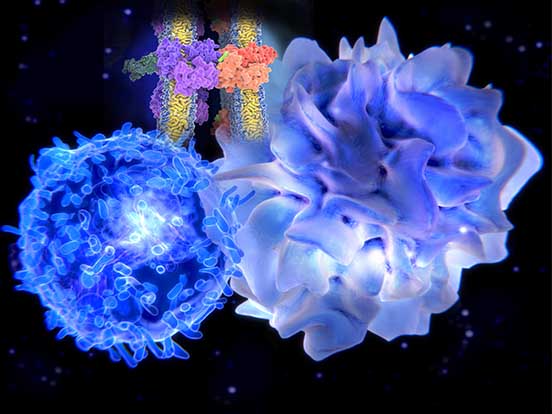
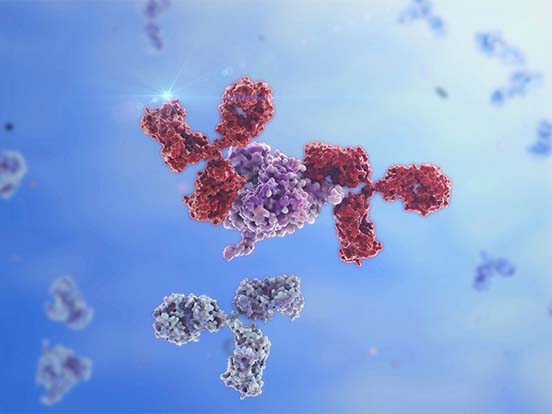
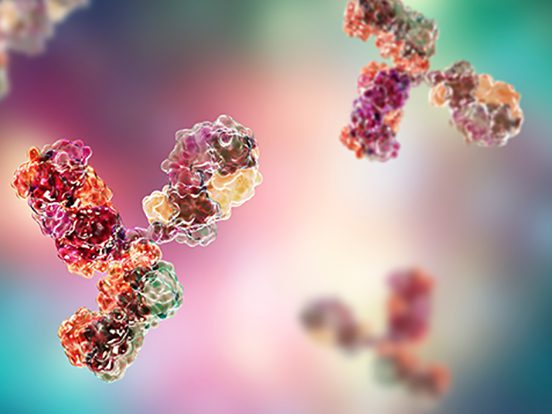
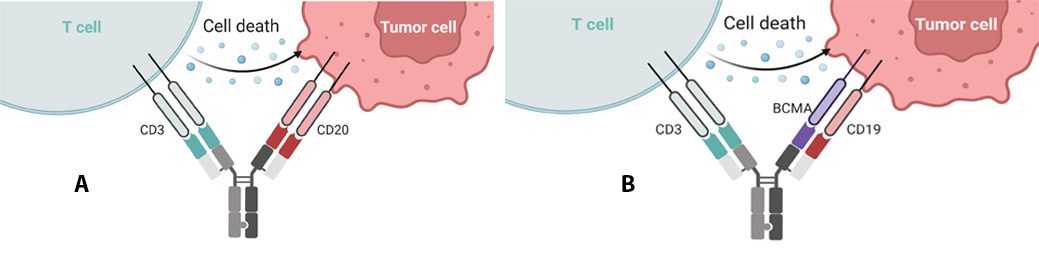
Bispecific and trispecific antibodies are recombinant molecules that bind specifically to more than one target. Bioengineered to contain two or three distinct antigen binding domains, these antibodies are critical for a successful immunotherapy strategy, bridging the gap between cancer and cytotoxic T cells, promoting cancer cell lysis.
Bispecifics are designed to bring cytotoxic immune effector cells into proximity with tumor cells, and there are several drug candidates in clinical trials at the moment. Trispecific antibodies may represent an advance over bispecifics by providing a T-cell costimulatory signal such as CD28, or alternatively, by increasing specificity of NK or T-cell targeting. This is an area of active preclinical research at this time.
How do they work?
Benefits
- Dual-target bispecifics can detect a desired cell type with far greater selectivity than a monospecific antibody.
- One specificity can target individual molecules while the other specificities can deliver a drug to the target or recruit effector cells.
- Simultaneously block two different pathways & increase binding specificity by interacting with two different cell surface antigens instead of one.
Product Information Table
| Name | Packsize | Order |
|---|