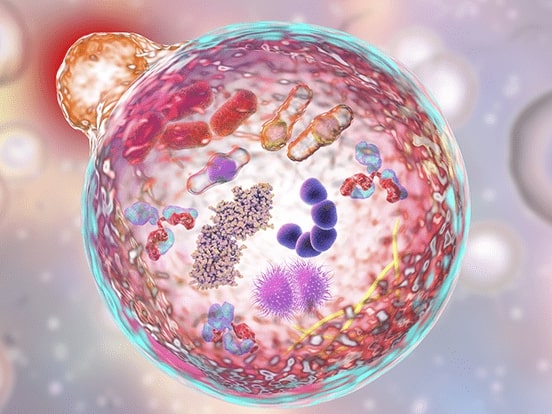
Cellular Metabolism
Tools to advance your cellular metabolism research
Cellular metabolism encompasses the entire series of interconnected chemical reactions catalyzed by enzymes within a cell, collectively referred to as metabolic pathways. These reactions drive everything from energy production to the synthesis of essential biomolecules.
Through interconnected pathways like glycolysis, the TCA cycle, and oxidative phosphorylation, cells convert nutrients into ATP while generating the building blocks needed for growth, division, and specialized function. As such, metabolism enables cells to adapt to their environment, and changes to metabolism can have serious effects.
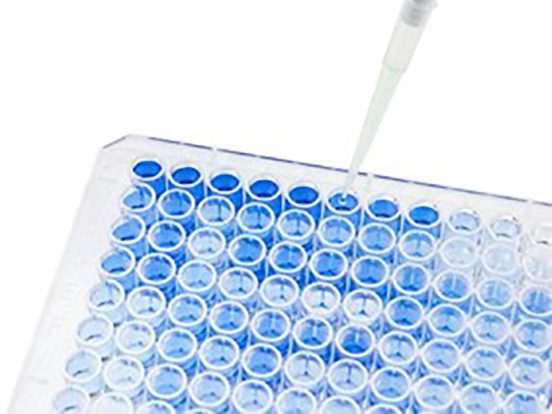
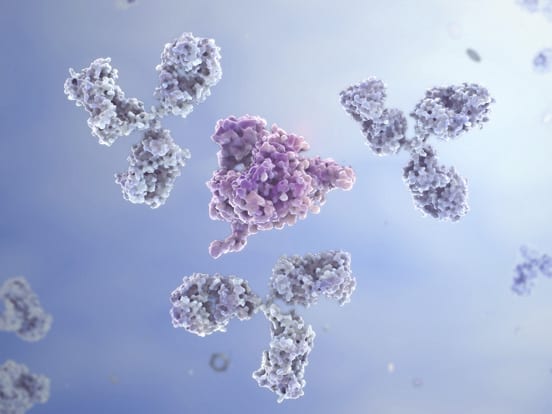
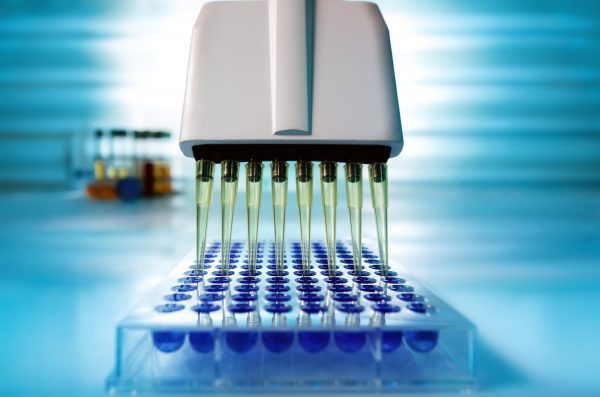
Amsbio helps researchers study cellular metabolism through our comprehensive range of cellular metabolism assay kits, antibodies, enzymes, and substrates covering all targets of these metabolic pathways.
CELLULAR RESPIRATION
Cellular respiration is a set of metabolic reactions through which cells convert nutrients into adenosine triphosphate (ATP).
There are three main stages of cellular respiration.
Glycolysis: Glucose is broken down into two pyruvate molecules, which generates 2 ATP and 2 NADH molecules.
Krebs Cycle: Pyruvate is converted into acetyl-CoA, which enters the Krebs cycle and produces ATP, along with more NADH and another electron carrier, FADH2.
Oxidative Phosphorylation: This is the final stage, where electrons from NADH and FADH2 are used to pump protons across the membrane, creating a gradient. This gradient drives the production of a large amount of ATP.
Learn more about these processes and discover our range of products for probing these pathways below.
POST- GLYCOLYTIC PATHWAYS
The glycolysis pathway break down one molecule of glucose into two molecules of pyruvate. These products are used in variety of post-glycolytic pathways.
Pentose phosphate pathway: Glycolysis intermediates are broken down to produce NADPH and ribose-5-phosphate for antioxidant defense and nucleotide synthesis.
Glycogenesis and glycogenolysis: Glycogen is the storage form of glucose in the body, and can be created or broken down to regulate glucose needs.
Gluconeogenesis: Glucose can be generated from precursors such as amino acids, lactate, pyruvate and glycerol when carbohydrates are not readily available.
Fermentation: In the absence of oxygen, fermentation is used to regenerate NAD⁺ for ATP production.
Lipid metabolism: Allows breaking down of fats as an alternative source of ATP.
Read more about these pathways in the link below.
POST KREBS CYCLE PATHWAYS
The Krebs (or Szent-Györgyi and Krebs, or citric acid) cycle is a metabolic pathway that occurs in all cells. It is involved in the metabolism of carbohydrates, fats and proteins, but is best known for its ability to produce cellular energy in the form of the GTP molecule.
The Krebs cycle also connects to protein and nucleotide metabolism through the production of precursor molecules that are needed to synthesize proteins and nucleotides. Discover our range of products below.
INORGANIC ION PERMEATION PATHWAYS
Inorganic ions in animals and plants are necessary for vital cellular activity. In body tissues, ions are also known as electrolytes, and are essential for the electrical activity needed to support functions such as muscle contractions and neuron activation. The inability for ions to maintain homeostatic concentrations due to defects in ion permeation pathways can lead to different types of diseases. For example, cystic fibrosis is caused by a defect in a chlorine ion channel, leading to buildup of chlorine and the thick mucous associated with cystic fibrosis.
Amsbio is offering an extensive range of products involved in this metabolic pathway.
BIOMARKER FOR CELLULAR METABOLISM
Biomarkers (or biological markers) are measurable indicators related to a biological process. A biomarker can be used for a large variety of purposes, including medical screening (search for a disease in a population), as a diagnostic proxy (characterisation of a disease in an individual), as a way to measure a response to a medical treatment, and toxicity of a molecule.
Amsbio maintains a large catalogue of biomarker products for studying metabolism and disease.
OXIDATIVE STRESS
Oxidative stress refers to the imbalance between the production of free radicals, also known as reactive oxygen species (ROS), and the number of antioxidants available and usable by the body.
Free radicals are molecules involved in chemical reactions that accompany metabolism, and are natural byproducts of pathways such as the Krebs cycle. However, in excess, they are potentially harmful to the body. ROS are highly reactive and can damage important molecules such as DNA, leading to long-term effect such as cellular damage, chronic diseases, and early aging.
Amsbio offers an extensive range of antibodies and assays for oxidative modification, redox modulators and inflammatory biomarkers.